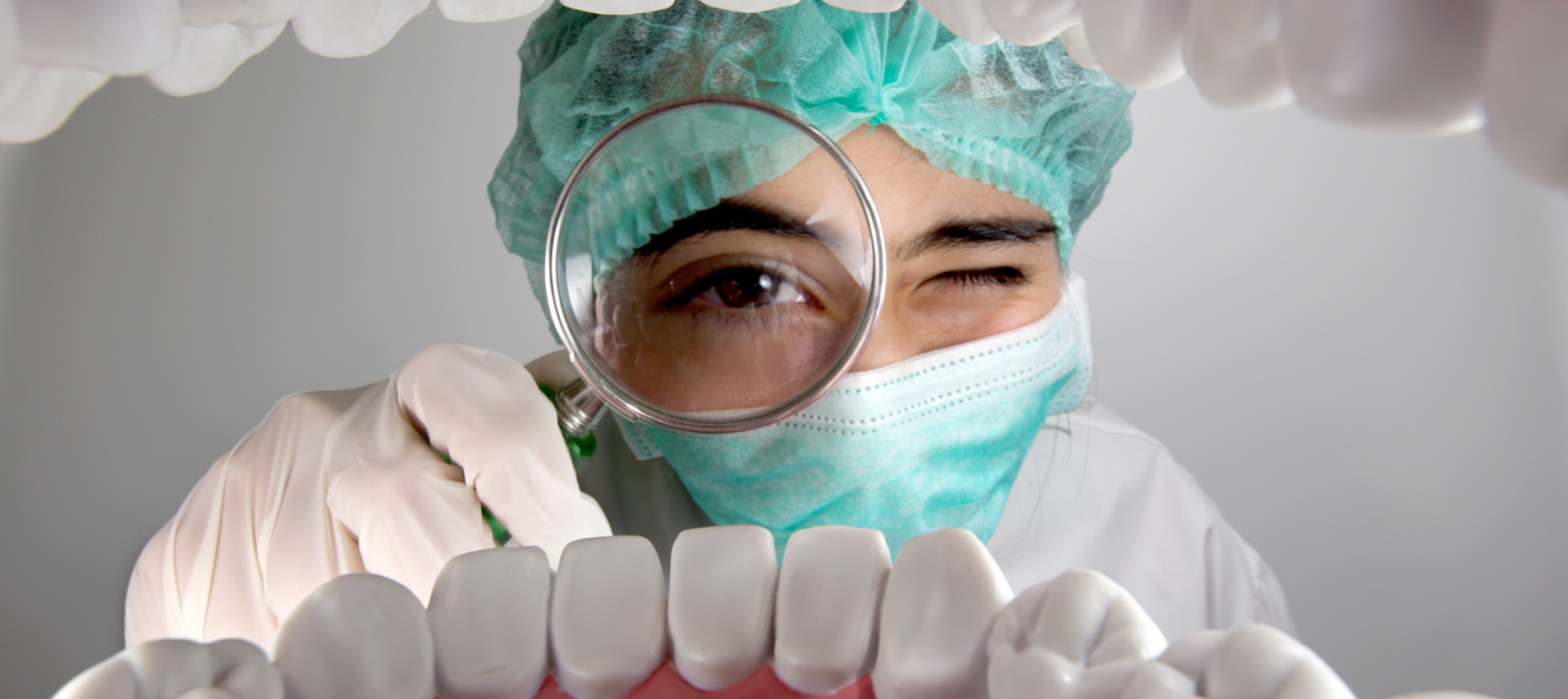
When was your last dental exam? Can’t remember? A sure sign it’s time for a dental checkup. Regular dental exams help catch cavities, gum disease, and other oral health concerns before they get worse. Even if your teeth feel fine, problems can develop without obvious symptoms.
Most dentists recommend a dental checkup and cleaning every six months. However, your ideal schedule may vary depending on your oral health, medical history, and risk of dental disease.
At Bhatt Dentistry in Diamond Bar, CA, we help patients maintain healthy smiles through preventive dental care and personalized treatment recommendations. Here are 10 signs it may be time to schedule your next dental exam.
1. It’s Been More Than Six Months Since Your Last Visit
One of the clearest signs you may be overdue for a dental exam is simply how long it’s been since your last appointment.
Many patients benefit from dental exams and professional cleanings every six months. These visits let your dentist check for early signs of tooth decay, gum disease, and other concerns you may not notice at home.
Some patients need more frequent visits, while others may follow a different schedule based on their oral health needs. If you cannot remember your last appointment, contact your dentist to find out when you should return.
2. Your Gums Bleed When You Brush or Floss
Healthy gums generally shouldn’t bleed regularly when you brush or floss. If you notice blood in the sink, your gums may be irritated or inflamed.
Bleeding gums can be an early sign of gingivitis, the initial stage of gum disease. Without appropriate care, gum disease can progress and affect the tissues and bone that support your teeth.
Do not stop flossing because your gums bleed. Instead, maintain gentle oral hygiene and schedule a dental evaluation to identify the cause.
3. You Have Persistent Bad Breath
Occasional bad breath can happen after eating certain foods or waking up in the morning. However, persistent bad breath that does not improve with brushing, flossing, and drinking water may indicate an underlying problem.
Possible causes include:
- Bacteria and plaque buildup
- Gum disease
- Tooth decay
- Dry mouth
- Food trapped between teeth
A dental exam can help determine whether an oral health issue is contributing to your bad breath. Your dentist can then recommend appropriate treatment or suggest further evaluation if the cause appears unrelated to your teeth and gums.
4. Your Teeth Are Sensitive to Hot or Cold Foods
Do you experience discomfort when drinking hot coffee, eating ice cream, or sipping cold water? Tooth sensitivity is another reason to schedule a dental exam.
Sensitivity can result from several issues, including exposed tooth roots, worn enamel, cavities, cracked teeth, or problems with existing dental restorations.
Occasional sensitivity does not always indicate a serious problem, but persistent, worsening, or localized discomfort deserves attention. A dentist can examine the affected tooth and help identify the cause before it progresses.
5. You Notice Tooth Pain or Discomfort When Chewing
Don’t ignore toothaches or discomfort when biting down. These symptoms may indicate tooth decay, a cracked tooth, gum problems, or an infection.
Even mild, intermittent pain can indicate an issue that needs treatment. Waiting until the pain becomes severe may allow the problem to worsen.
If you experience persistent tooth pain, contact your dentist promptly. Severe pain, facial swelling, fever, or difficulty swallowing requires urgent evaluation. Seek emergency medical care if you have difficulty breathing or swallowing.

6. You See Changes in Your Teeth or Gums
Changes in your mouth’s appearance can provide important clues about your oral health.
During your daily brushing routine, watch for:
- Brown, black, or white spots on your teeth
- Swollen, red, or receding gums
- Chipped, cracked, or worn teeth
- New gaps between teeth
- Lumps, sores, or patches inside your mouth that do not heal
Some changes may be harmless, while others can indicate tooth decay, gum disease, or another condition that needs attention.
If a sore or unusual patch persists for two weeks, schedule a dental evaluation. Your dentist can determine whether further investigation is necessary.
7. Food Frequently Gets Stuck Between Your Teeth
If food regularly becomes trapped between the same teeth, it may be more than a minor inconvenience.
Possible causes include changes in the spaces between your teeth, gum recession, shifting teeth, or a damaged or poorly fitting dental restoration. Trapped food can also contribute to plaque buildup, gum irritation, and tooth decay.
Flossing daily can help remove food particles and plaque from areas your toothbrush cannot reach. However, a dentist should evaluate recurring food impaction to identify the underlying cause.
8. You Have Existing Dental Work That Needs Monitoring
Fillings, crowns, bridges, and other dental restorations require ongoing care. Although these treatments can last for many years, they may eventually wear down, loosen, crack, or develop problems around their edges.
Regular dental exams help your dentist monitor existing dental work and identify potential issues early.
If you have had cavities, gum disease, dental crowns, or other restorative procedures, consistent follow-up visits are especially important. Your dentist can recommend the appropriate examination schedule based on your individual needs.
9. Your Mouth Often Feels Dry
A dry mouth can make it harder to speak, swallow, and enjoy certain foods. Saliva also helps protect your teeth by washing away food particles and neutralizing acids produced by oral bacteria.
When saliva production decreases, your risk of cavities and other oral health problems may increase.
Dry mouth can be associated with certain medications, dehydration, medical conditions, and other factors. If you frequently experience dryness, mention it during your dental exam. Your dentist can assess your oral health and recommend ways to help protect your teeth.
10. You Have Been Putting Off Preventive Dental Care
Busy schedules, dental anxiety, and competing expenses can make it easy to postpone appointments. However, skipping preventive care can allow small problems to develop into more complicated issues.
Dental exams are not just about treating existing problems. They also help you maintain healthy teeth and gums, review your home care routine, and discuss concerns before they become more difficult to manage.
If it has been years since your last visit, you are not alone. Taking the first step and scheduling an appointment can help you get back on track with your oral health.
What Happens During a Dental Exam?
A routine dental exam typically includes an evaluation of your teeth, gums, and other oral tissues. Your dentist may check for cavities, signs of gum disease, damaged restorations, and other changes that could affect your oral health.
Your dentist may recommend dental X-rays to identify problems that cannot be seen during a visual exam. Your appointment may also include a professional cleaning to remove plaque and hardened tartar.
If your dentist identifies a concern, they will explain the findings and discuss appropriate treatment options. The goal is to help you understand your oral health and make informed decisions about your care.
How Often Should You Schedule a Dental Exam?
Many people benefit from a dental exam and cleaning every six months. However, no single schedule works for everyone.
Your dentist may recommend more frequent appointments if you have a history of gum disease, frequent cavities, certain medical conditions, or other risk factors. Patients with stable oral health may need a different schedule based on their individual circumstances.
The best way to determine how often you should visit is to discuss your needs with your dentist.
Schedule Your Dental Exam at Bhatt Dentistry in Diamond Bar, CA
You do not have to wait for a toothache to take care of your smile. Regular dental exams can catch problems early, support healthy gums, and reduce the risk of more extensive treatment.
Whether you are due for your six-month checkup or have not visited a dentist in several years, Bhatt Dentistry is here to help you take the next step toward better oral health.
Ready to schedule your next dental exam? Contact Bhatt Dentistry in Diamond Bar, CA, to request an appointment and discuss your preventive dental care needs.
Taking care of your teeth today can help protect your smile for years to come.